
The knee is a complex joint which consists of bone, cartilage, ligaments, and tendons that make joint movements easy and at the same time it is more susceptible to various kinds of injuries. Knee problems may arise if any of these structures get injured by overuse or suddenly during sports activities. Pain, swelling, and stiffness are the common symptoms of any damage or injury to the knee.
Common causes of knee injury include:
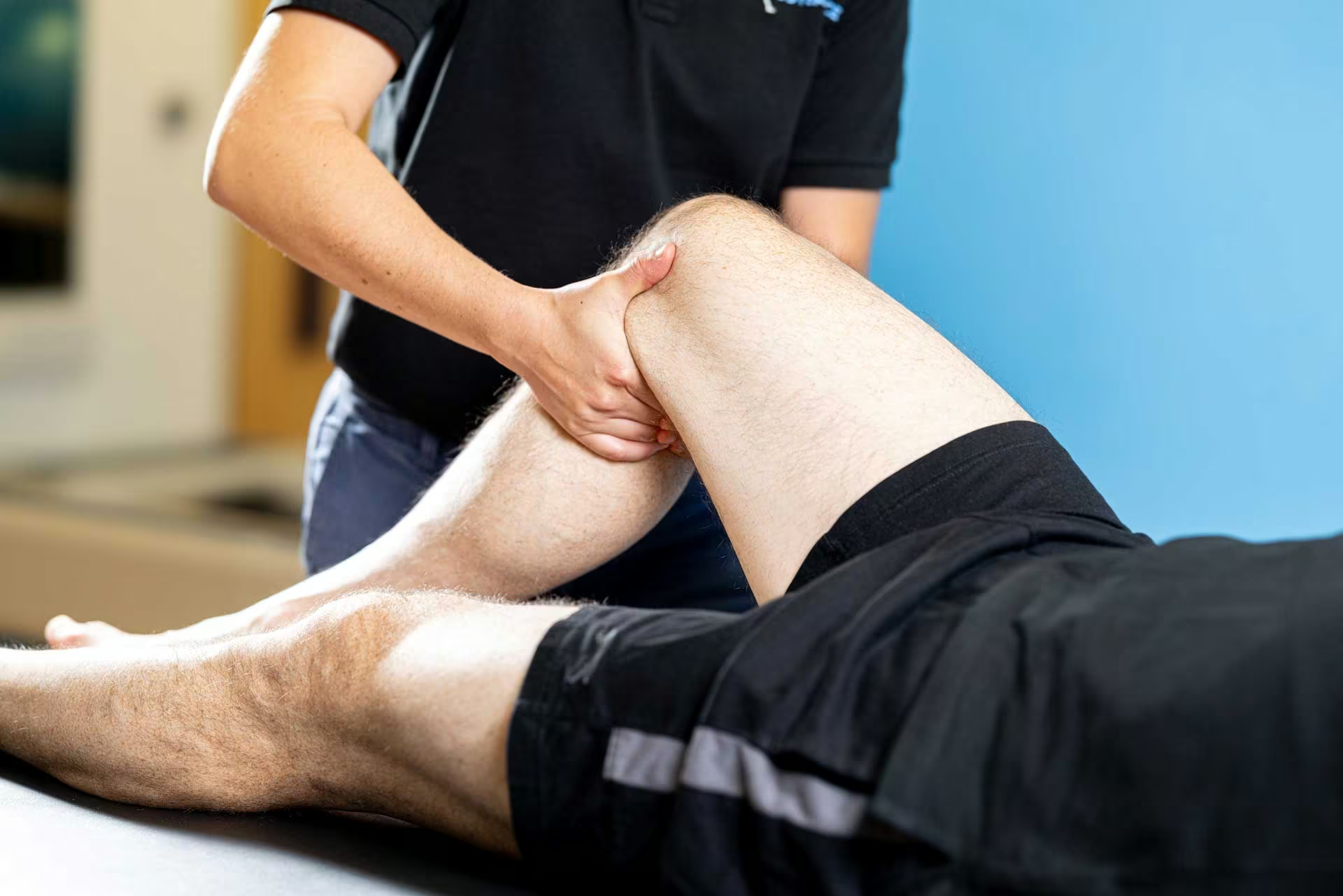
An ACL injury is a sports-related injury that occurs when the knee is forcefully twisted or hyperextended. An ACL tear usually occurs with an abrupt directional change with the foot fixed on the ground or when the deceleration force crosses the knee. Changing direction rapidly, stopping suddenly, slowing down while running, landing from a jump incorrectly, and direct contact or collision, such as a football tackle, can also cause injury to the ACL.
The MCL is the ligament that is located on the inner part of the knee joint. It runs from the femur (thighbone) to the top of the tibia (shinbone) and helps in stabilizing the knee. MCL injuries can result in a stretch, partial tear or complete tear of the ligament. Injuries to the MCL commonly occur because of pressure or stress on the outside section of the knee.
PCL injuries are very rare and are more difficult to detect when compared to the other knee ligament injuries. Cartilage injuries, bone bruises, and ligament injuries often occur in combination with PCL injuries.
Injuries to the PCL can be graded as I, II or III depending on the severity of the injury. In grade I, the ligament is mildly damaged and slightly stretched, but the knee joint is stable. In grade II, there is a partial tear of the ligament. In grade III, there is a complete tear of the ligament and the ligament is divided into two halves, making the joint unstable.
The PCL is usually injured by a direct impact, such as in an automobile accident when the bent knee forcefully strikes the dashboard. In sports, it can occur when you fall to the ground with a bent knee. Twisting injury or overextending the knee can cause the PCL to tear.
It is important to seek your doctor’s advice if you hear a popping noise or feel as if your knee has given way at the time of injury and if you are unable to move your knee because of severe pain.
Shoulder ligament injuries are injuries to the tough elastic tissues present around the shoulder that connect bones to each other and stabilize the joint. The ligaments present in the shoulder are connected to the ends of the scapula, humerus, and clavicle bones which form the shoulder complex. The extensive stretching or tearing of these ligaments from acute or chronic injuries can lead to instability in the shoulder joint.
Causes of shoulder ligament injuries include:
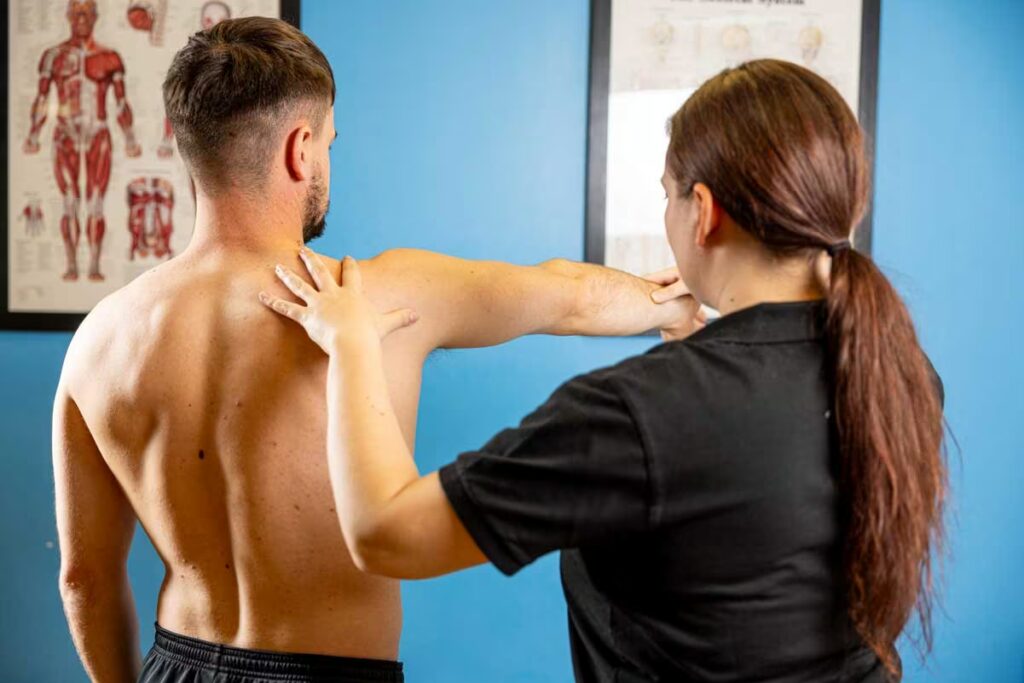
The shoulder is a ball and socket joint formed by 3 bones, the humerus (upper arm bone), scapula (shoulder blade), and clavicle (collarbone). The head of the upper arm bone fits into a rounded socket, called the glenoid, in the shoulder blade. Soft tissues like tendons, ligaments, joint capsules, and muscles surround these bones, joining them together and providing support and strength for the proper working of the shoulder.
Signs and symptoms of shoulder ligament injuries include:
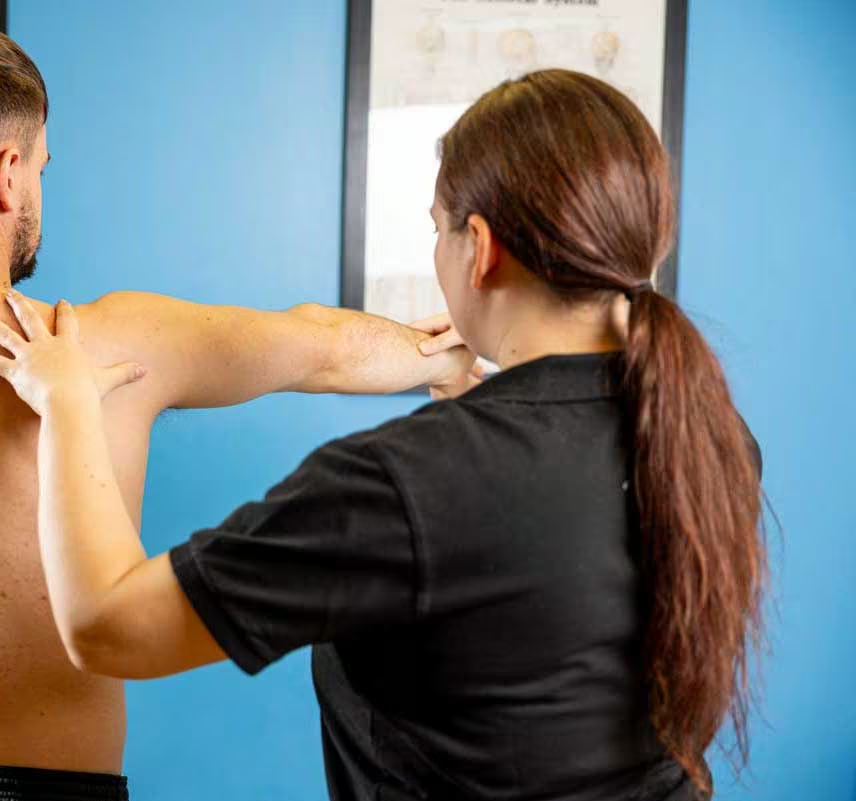
Treatments for shoulder ligament injuries include both surgical as well as non-surgical options. The doctor will decide the best option based on the condition of your shoulder.
We use cookies to personalise content and analyse traffic. You can choose which cookies to allow. Privacy Policy • Cookie Policy • Terms & Conditions • Google Privacy
We use cookies to help you navigate efficiently and perform certain functions. You can choose which categories to allow below. Cookies categorised as Necessary are always active.
We also use third-party cookies for analytics and advertising. These are only stored with your consent. You can update or withdraw consent at any time via the cookie icon at the bottom-left. This site operates under UK GDPR, the Data Protection Act 2018, and the Privacy and Electronic Communications Regulations (PECR). Cookie Policy • Privacy Policy
Necessary cookies are required for core site features including security, network management, and consent storage.
| Cookie | Duration | Description |
|---|---|---|
hmdg_cookie_consent | 180 days | Stores your cookie consent preferences. |
PHPSESSID | Session | WordPress session identifier. |
wordpress_logged_in_* | Session | WordPress login authentication. |
Functional cookies enable enhanced features such as live chat and remembering preferences.
| Cookie | Duration | Description |
|---|---|---|
wp-settings-* | 1 year | Stores user interface preferences. |
Analytics cookies help us understand visitor behaviour. Controls analytics_storage for Google Analytics 4.
| Cookie | Duration | Description |
|---|---|---|
_ga | 2 years | Google Analytics — distinguishes users. |
_ga_* | 2 years | Google Analytics 4 — session persistence. |
_gid | 24 hours | Google Analytics — distinguishes users. |
_gat | 1 minute | Google Analytics — throttles request rate. |
Performance cookies collect aggregate, anonymous data about site performance.
| Cookie | Duration | Description |
|---|---|---|
_gat_gtag_* | 1 minute | Google Tag Manager — rate throttle. |
Marketing cookies track visits to deliver relevant ads. Controls ad_storage, ad_user_data, and ad_personalization.
| Cookie | Duration | Description |
|---|---|---|
_gcl_au | 90 days | Google Ads — conversion tracking. |
_gcl_aw | 90 days | Google Ads — click attribution. |
_gac_* | 90 days | Google Ads — campaign information. |
IDE | 1 year | Google DoubleClick — ad targeting. |
Powered by HMDG • Cookie Policy