
Pelvic pain is pain that occurs in the lower abdomen and pelvis. The pelvic region is the area between the umbilicus (belly button) and the groin in the front and between the buttocks at the back. Pelvic area mainly consists of reproductive, urinary and digestive systems such as uterus, bladder, and intestines.
Pelvic pain can be acute or chronic. Acute pelvic pain occurs suddenly and stays only for a short period of time. Persistent (Chronic) pelvic pain lasts for a longer period, and may be due to tighter muscles of the pelvic floor which in turn affect the function of the bladder, bowel and surrounding tissues.
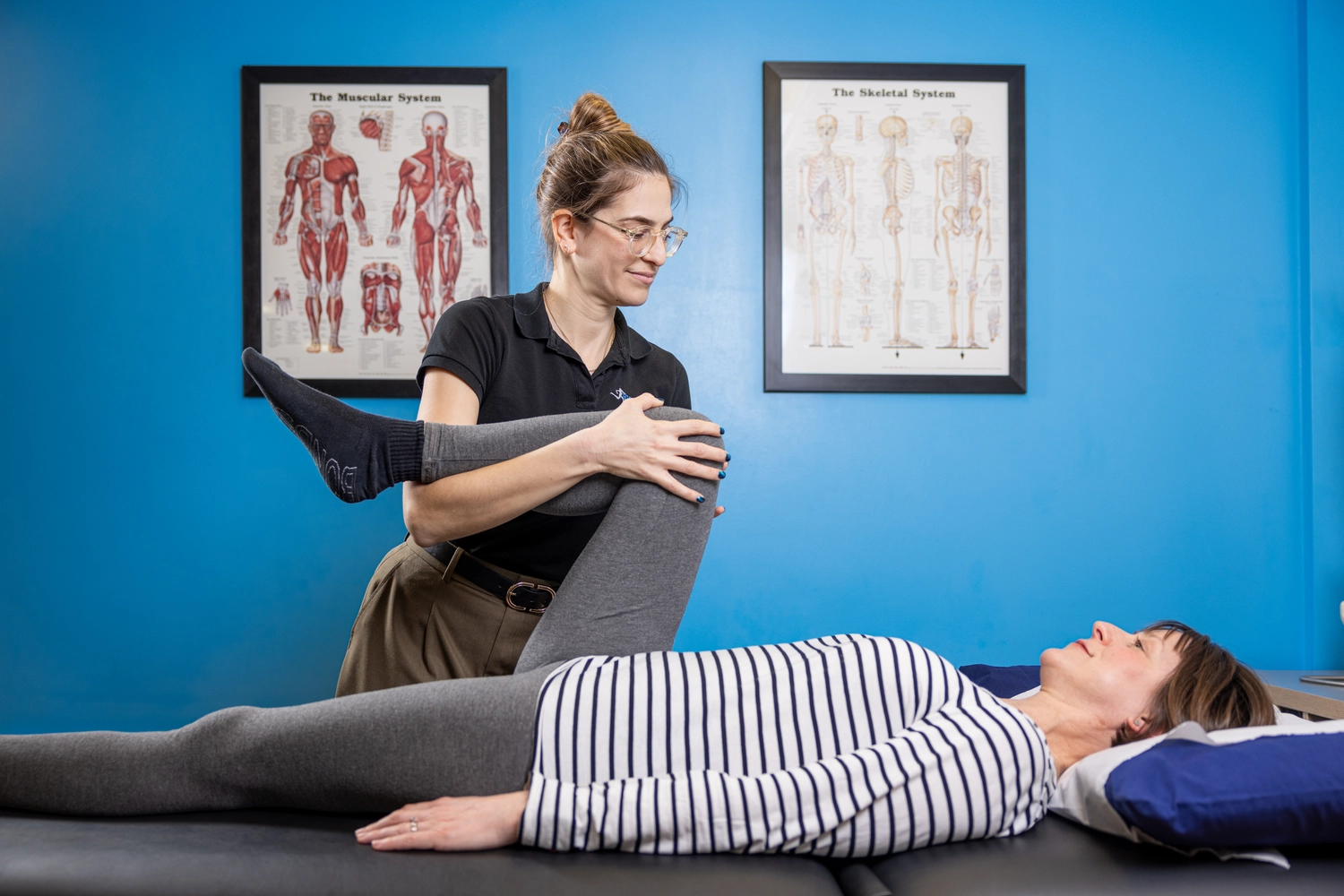
Pelvic pain may be dull or sharp; persistent or intermittent; mild to severe, and can extend to your lower back or thighs.
The common symptoms with pelvic pain are:
Pelvic pain can be considered as an indication of infection or problem in the pelvic area. It is observed most commonly in women but can also occur in men.
The common causes of acute pelvic pain are:
A specialist Pelvic Health Physiotherapist can help to assess the cause of Pelvic pain and address the symptoms. Treatment may include – advice and education on bladder and bowel health, relaxation exercises for pelvic floor, managing oral intake, advice on painful sex, lifestyle changes, manual therapy and soft tissue release.
Your assessment may include an internal pelvic floor exam to aid in assessment and treatment of your pain.
You can find additional information on Pelvic Pain at POGP with further useful links: https://thepogp.co.uk/patient_information/womens_health/persistent_pelvic_pain.aspx
We and our partners, including Google, use cookies and personal data to analyse traffic and for ads personalisation and measurement. You can accept, reject or choose which cookies to allow. Privacy Policy • Cookie Policy • Terms & Conditions • Google Privacy
We use cookies to help you navigate efficiently and perform certain functions. You can choose which categories to allow below. Cookies categorised as Necessary are always active.
We also use third-party cookies for analytics and advertising. These are only stored with your consent. You can update or withdraw consent at any time via the cookie icon at the bottom-left. This site operates under UK GDPR, the Data Protection Act 2018, and the Privacy and Electronic Communications Regulations (PECR). Cookie Policy • Privacy Policy
Necessary cookies are required for core site features including security, network management, and consent storage.
| Cookie | Duration | Description |
|---|---|---|
hmdg_cookie_consent | 180 days | Stores your cookie consent preferences. |
PHPSESSID | Session | WordPress session identifier. |
wordpress_logged_in_* | Session | WordPress login authentication. |
Functional cookies enable enhanced features such as live chat and remembering preferences.
| Cookie | Duration | Description |
|---|---|---|
wp-settings-* | 1 year | Stores user interface preferences. |
Analytics cookies help us understand visitor behaviour. Controls analytics_storage for Google Analytics 4.
| Cookie | Duration | Description |
|---|---|---|
_ga | 2 years | Google Analytics — distinguishes users. |
_ga_* | 2 years | Google Analytics 4 — session persistence. |
_gid | 24 hours | Google Analytics — distinguishes users. |
_gat | 1 minute | Google Analytics — throttles request rate. |
Performance cookies collect aggregate, anonymous data about site performance.
| Cookie | Duration | Description |
|---|---|---|
_gat_gtag_* | 1 minute | Google Tag Manager — rate throttle. |
Marketing cookies track visits to deliver relevant ads. Controls ad_storage, ad_user_data, and ad_personalization.
| Cookie | Duration | Description |
|---|---|---|
_gcl_au | 90 days | Google Ads — conversion tracking. |
_gcl_aw | 90 days | Google Ads — click attribution. |
_gac_* | 90 days | Google Ads — campaign information. |
IDE | 1 year | Google DoubleClick — ad targeting. |
Powered by HMDG • Cookie Policy